

CASE STUDIES
Critical Alarm Management
Enhancing Safety and Reliability Through Smarter Alarm Management
At the Royal Liverpool University Hospital (RLUH), WISE Controls were tasked with addressing ongoing challenges around alarm escalation and response. The estates team faced frequent interruptions from non-critical alarms being mistakenly treated as high priority, causing unnecessary workload and slowing down responses to genuine issues.
To tackle this, WISE Controls applied alarm rationalisation and validation strategies. Using advanced system software and alarm management technologies, we introduced multiple alarm classifications that clearly distinguished between critical and non-critical alerts. Critical alarms were then automatically directed to the appropriate escalation pathways, ensuring the right teams received the right notifications at the right time.
The result has been a more efficient, reliable, and proactive alarm response process. Departments are now better equipped to focus on urgent issues without being distracted by lower-level notifications, helping to reduce downtime of critical hospital services and improving operational resilience.

“Having worked with WISE controls for many years now, I can say without a doubt that Phil and Mia provide us with an outstanding service, they regularly go above and beyond to keep the Royal Liverpool Hospital site running while taking the time to educate our technicians in the many complex systems on-site.”
— B.R. Senior Estates Officer, LUHFT
Key Outcomes
-
Reduced unnecessary system activity by minimising false or non-critical alarms
Optimised use of monitoring resources, lowering overall operational energy consumption
-
Decreased workload for estates teams by preventing unnecessary escalations
Streamlined alarm management, reducing overtime and operational costs
-
Critical alarms automatically routed to the right teams, improving response times
Enabled departments to focus on urgent issues without distraction from minor alerts
-
Introduced multiple alarm classifications for clear differentiation between critical and non-critical alerts
Enhanced alarm software configuration for more proactive and accurate alert management
-
Reduced downtime of critical hospital services, improving patient care continuity
Strengthened operational resilience, supporting a safer and more reliable hospital environment

Case Studies
Smart Solutions, Real-World Impact
-
![]()
Broadgreen Hospital
WISE Controls supported Broadgreen Hospital’s energy reduction goals by upgrading its ageing BMS and integrating renewable energy, ensuring seamless connectivity with new and existing assets to boost efficiency and cut consumption.
-
![]()
RLUH Clinical Sciences Building
To ensure optimal conditions, WISE Controls upgraded the BMS at the RLUH Clinical Sciences Building, delivering precise temperature, humidity, and reliable control to support sensitive research labs and critical clinical spaces.
-
![]()
RLUH Main Building
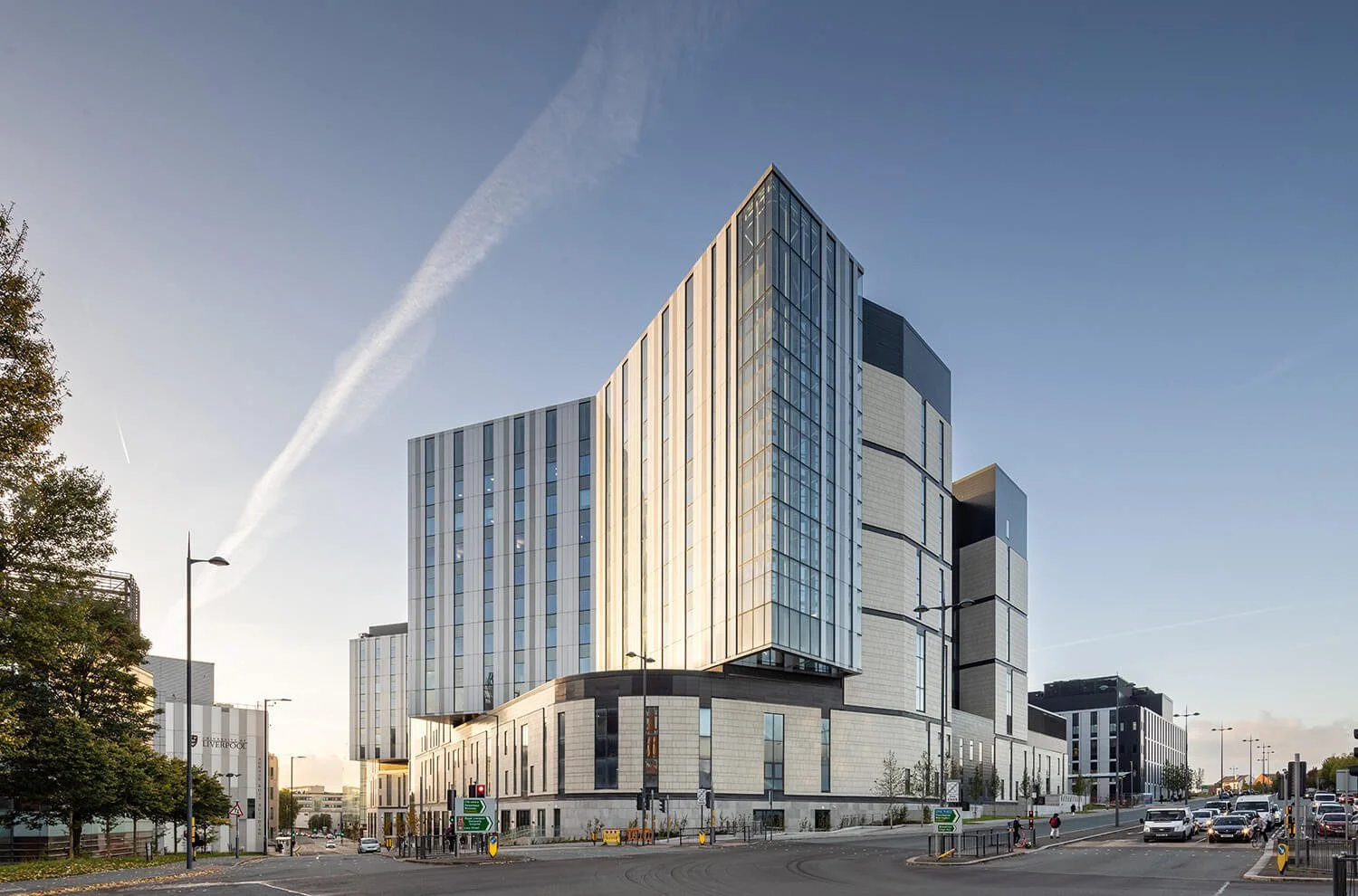
To enhance overall building performance, WISE Controls modernised the BMS at RLUH Main Building, improving system visibility, energy efficiency, and operational reliability across its complex, multi-use spaces.
-
![]()
Edwards Building
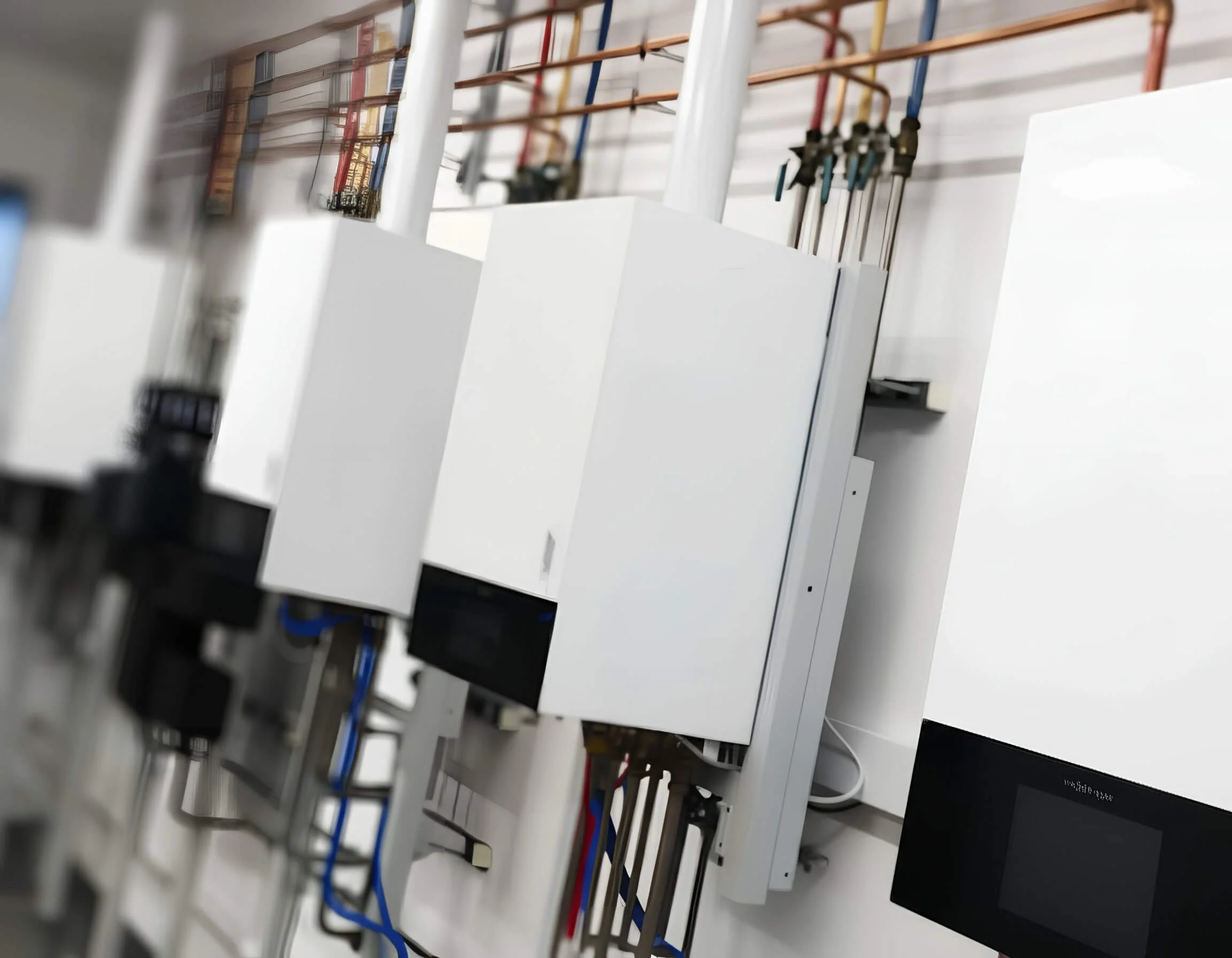
WISE Controls prevented boiler dry cycling at the Edwards Building, reducing energy waste, equipment wear, and operational costs, while protecting critical heating systems and supporting the hospital’s long-term efficiency.
-
![]()
Reverse Osmosis Functional Monitoring
The RO water system was integrated with the BMS at Royal Liverpool University Hospital, enabling real-time monitoring to verify sterilisation and protect critical healthcare operations.
-
![]()
Heat Network Energy Saving (HNES)
WISE Controls optimised heat network performance at the Clinical Sciences Support Building (CSSB) and Royal Liverpool University Hospital, restoring GSHP functionality, improving controls, system reliability and delivering energy savings.
-
![]()
Meter Verification
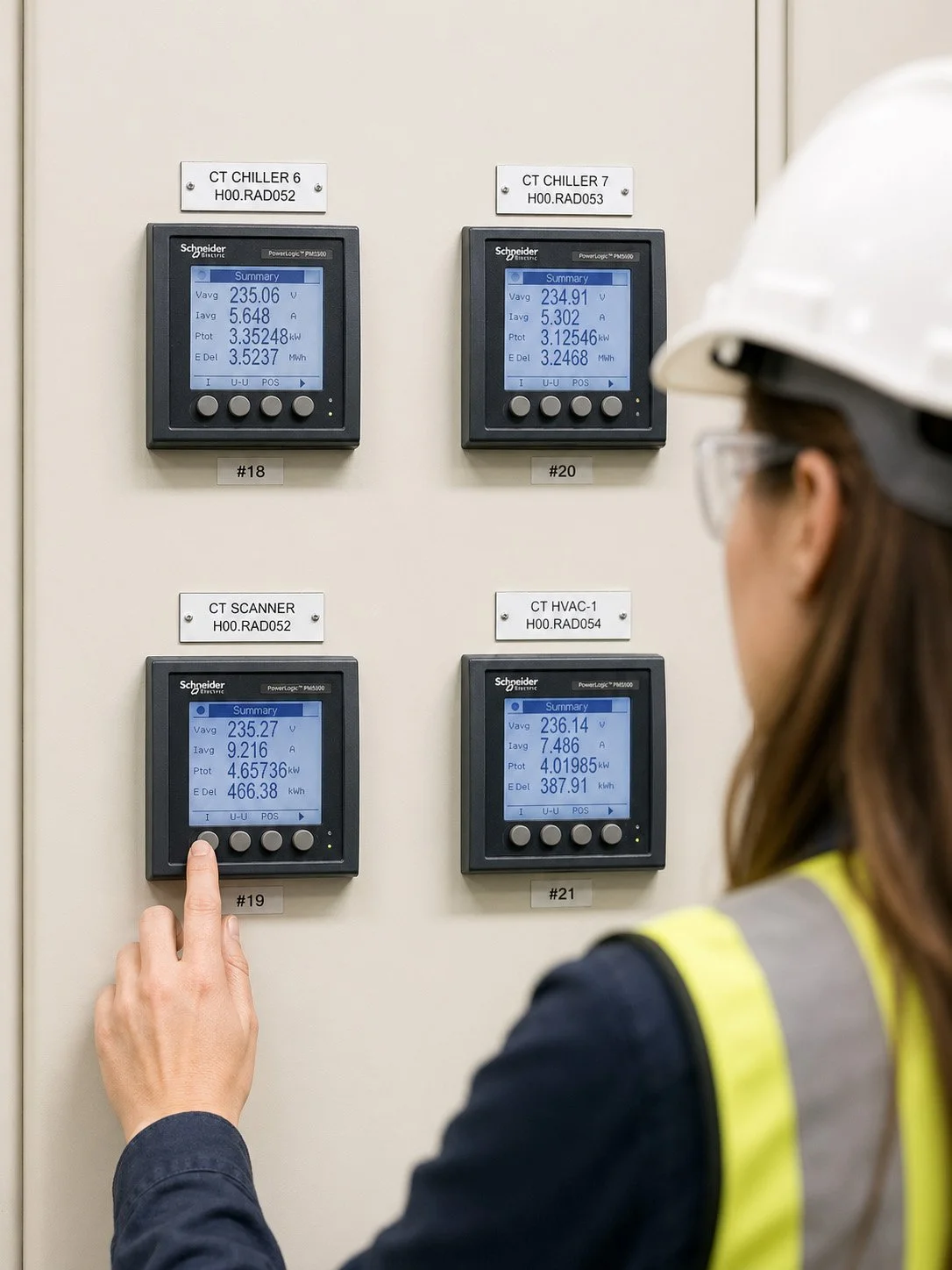
To ensure accurate and reliable monitoring, WISE Controls verified and integrated a network of 508 Modbus electrical meters, confirming each was correctly configured and recording valid data for actionable insights.
-
![]()
Critical Pharmaceutical Production Labs
Repeated ventilation failures in pharmaceutical labs risked compliance and disrupted production. WISE Controls restored stability, reliability, and confidence in critical environments.
-
![]()
Liverpool Clinical Laboratories
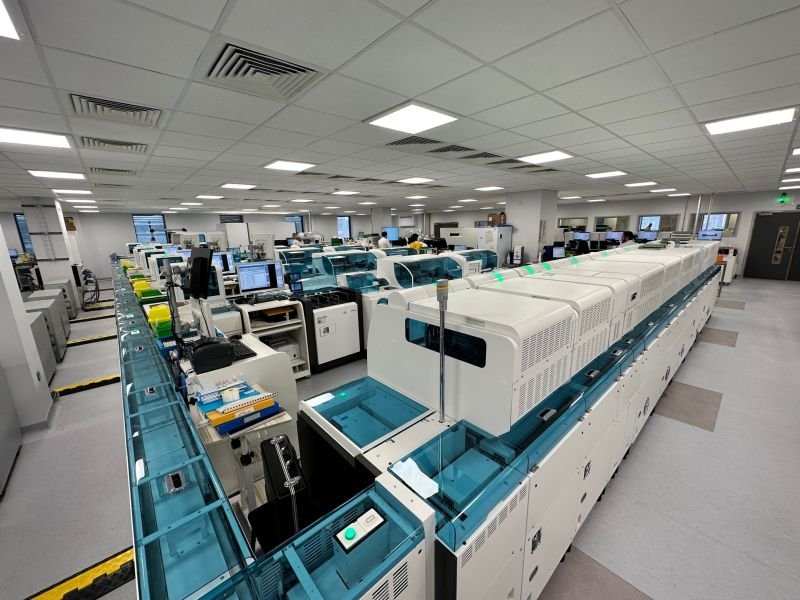
After years of inoperation, WISE Controls restored full functionality to the Clinical Sciences Support Building’s (CSSB) Ground Source Heat Pump Bore Hole System (GSHPBS) through expert integration, boosting efficiency and reliability.
-
![]()
Critical Alarm Management
At RLUH, WISE Controls tackled alarm management challenges, reducing non-critical alarm interruptions and ensuring the estates team could focus on genuine issues, improving safety, reliability, and response efficiency.
-
![]()
Energy Reduction
WISE Controls worked with Liverpool University Hospitals to reduce energy consumption by validating and optimising ventilation systems at the Royal Liverpool University Hospital and Liverpool Clinical Labs, improving efficiency.
-
![]()
LTHW Steam Plate Heat Exchanger Energy Reduction
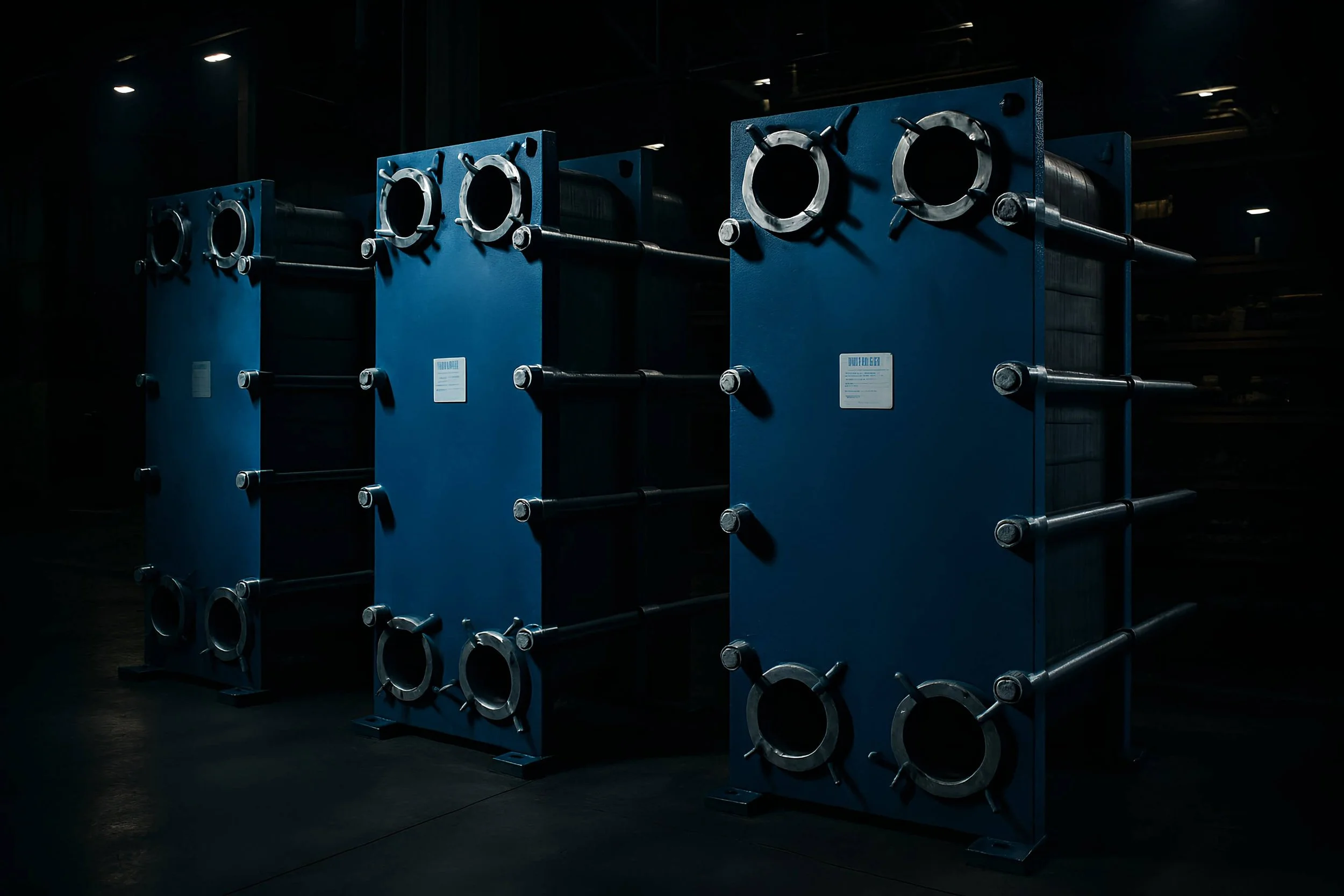
WISE Controls helped Liverpool University Hospitals cut steam use by optimising the main heat exchangers supplying low-temperature hot water to HVAC and clinical systems at RLUH.
-
![]()
Energy & Plant Performance Analytical Dashboard
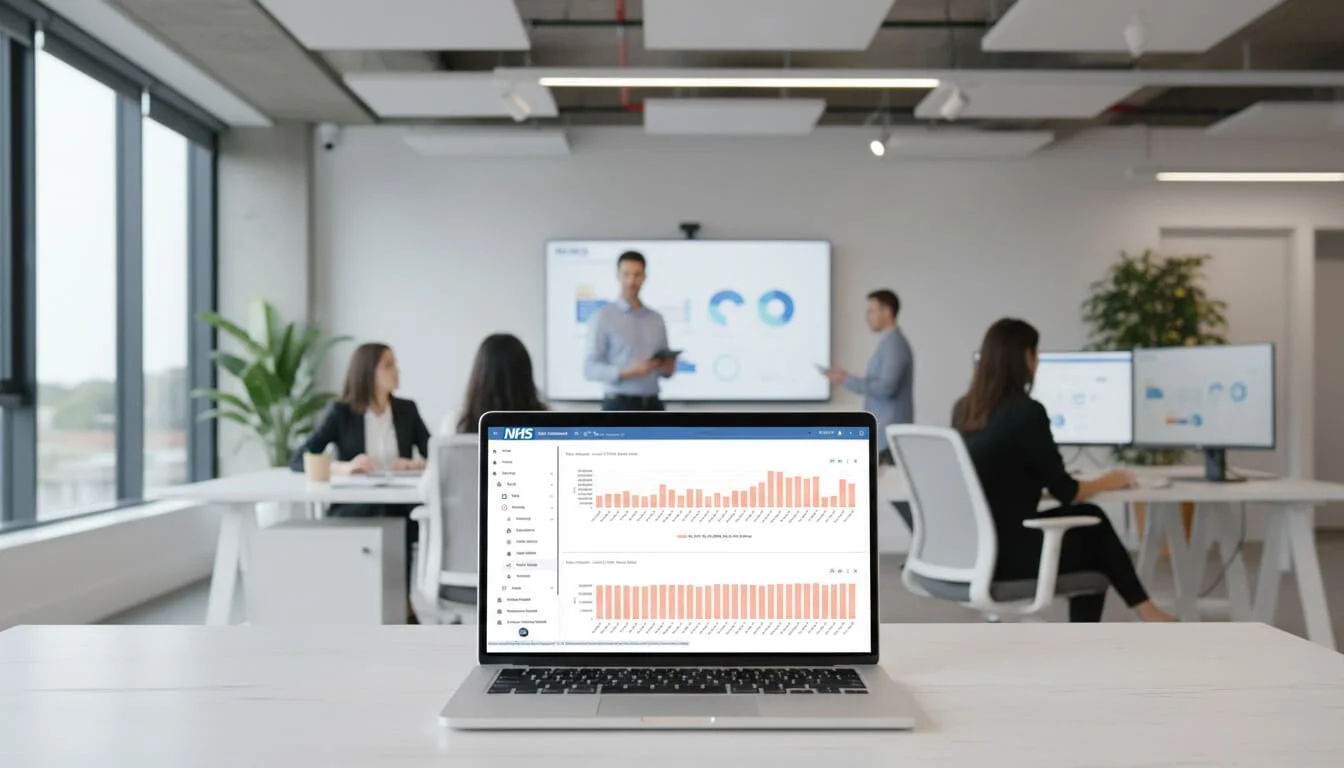
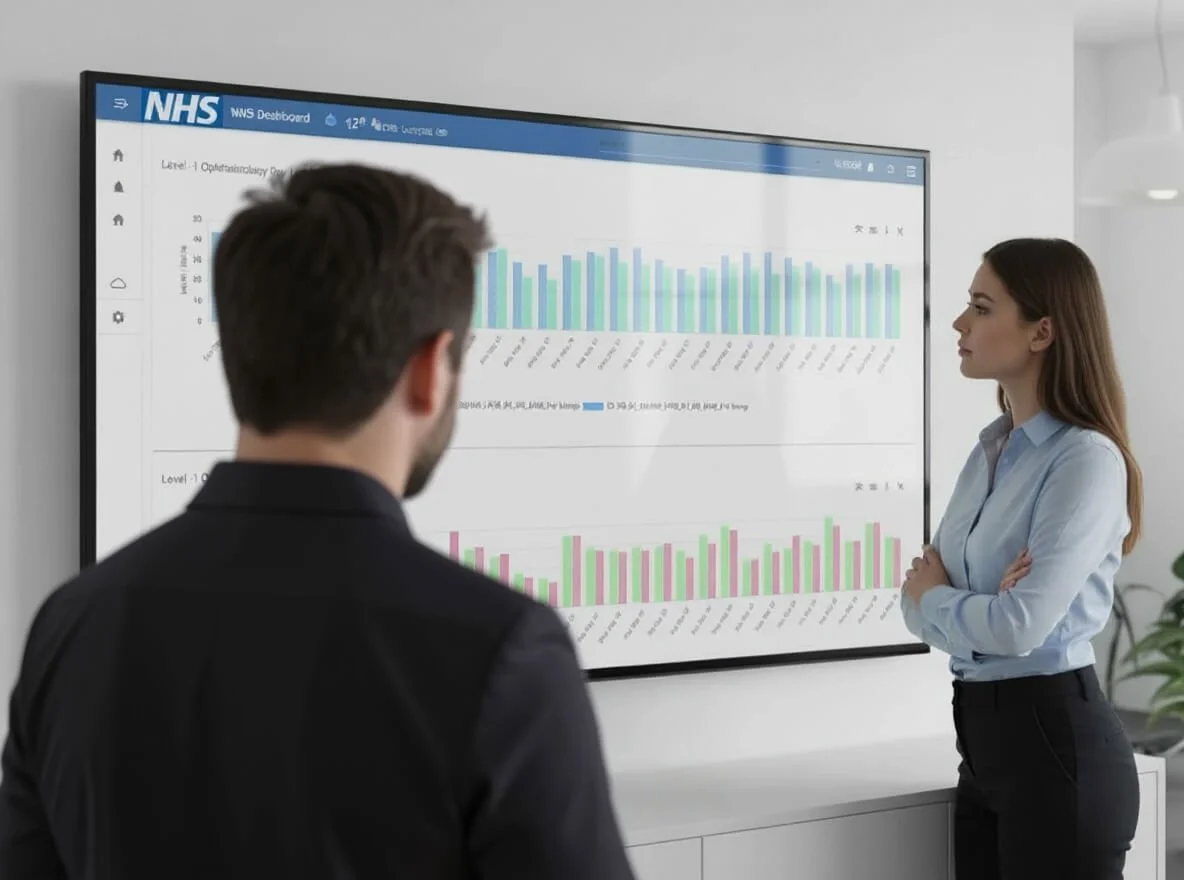
To support decision-making, WISE Controls developed a bespoke multi-site dashboard for Liverpool University Hospitals, delivering real-time insights into energy use.



Do you face any of these issues in your building?
-
Aging BMS infrastructure can lead to inefficiency, higher costs, and unreliable performance. We modernise your Building Energy Management Systems to ensure your operations run smoothly and meet today’s performance standards.
-
When your automation fails, you’re left with manual processes, increased risk, and wasted time. Our expert BMS Controls engineering restores and enhances automation, giving you full, reliable control over your building.
-
Excessive energy and water use directly impact budgets and sustainability targets. We implement intelligent BEMS Controls and energy reduction strategies to cut waste and improve efficiency.
-
Even well-functioning systems may not be performing at their peak. Our diagnostics and fine-tuning ensure your HVAC, lighting, and energy systems deliver maximum performance with minimal cost.
-
Poor ventilation and air quality affect occupant wellbeing and compliance. We monitor, manage, and optimise building health to create safer, more comfortable environments for everyone.
Request an Energy Audit today and discover how our Building Management Solutions can optimise performance and save money.